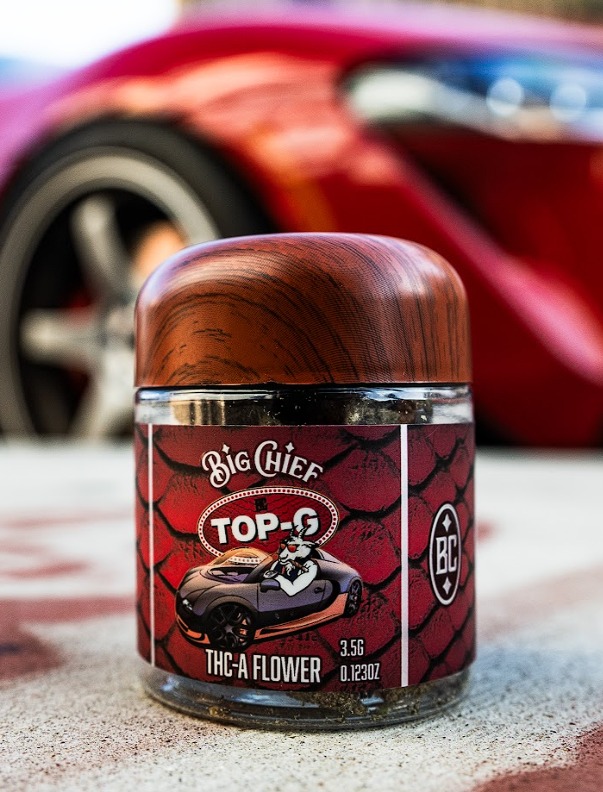
Big Chief Top G – THCA Flower Jar

$40.00
Fast shipping on top-tier hemp.Big Chief Top G – THCA Flower Jar is a packaged THCA flower product featuring the Top G profile. The flower is presented in a convenient jar format, with product details such as cannabinoid content, batch information, net weight, terpene information, and applicable laboratory testing provided on the product packaging and documentation.
Big Chief Top G – THCA Flower Jar
Big Chief Top G – THCA Flower Jar is a cannabis flower product featuring the Top G profile in a convenient jar format. The product is centered around THCA, a naturally occurring cannabinoid found in raw cannabis flower. For consumers researching THCA flower, product labeling, batch information, cannabinoid content, and laboratory testing are important details to consider when evaluating a specific product.
What Is Big Chief Top G THCA Flower?
THCA stands for tetrahydrocannabinolic acid, a naturally occurring cannabinoid found in cannabis plants. Unlike delta-9 THC, THCA is the acidic form of the cannabinoid and is commonly present in unheated cannabis flower.
Big Chief Top G identifies the particular flower profile associated with this product. The name alone does not establish the exact cannabinoid or terpene composition, since those characteristics can vary between cultivars and production batches. For the most accurate information, the product label and corresponding laboratory documentation should be reviewed.
Top G Flower Profile
The Top G name is used to identify the flower profile featured in this Big Chief product. Cannabis flower can vary considerably in appearance, aroma, texture, cannabinoid content, and terpene composition.
Terpenes are naturally occurring aromatic compounds found in cannabis and many other plants. They contribute to the characteristic aroma of different flower varieties. However, visual appearance and aroma should not be used as substitutes for laboratory testing when determining the actual cannabinoid or terpene content of a product.
THCA Flower Jar Packaging
The jar format provides a practical way to package cannabis flower while keeping the product contained and its labeling readily accessible. Depending on the specific package, information may include net weight, cannabinoid percentages, batch or lot numbers, manufacturer details, testing information, and applicable warnings.
Always compare the product received with the information printed on its packaging. Batch-specific information is particularly useful because cannabis flower characteristics can change from one production run to another.
Cannabinoid Content and Laboratory Testing
Laboratory testing provides useful information about the composition of a THCA flower product. A certificate of analysis, commonly referred to as a COA, may list cannabinoids and other quality-control results associated with a particular batch.
Depending on the applicable testing requirements, laboratory documentation may also include screening for contaminants such as pesticides, heavy metals, microbial contamination, or residual solvents.
When reviewing testing information, look for a batch or lot number that corresponds with the product packaging. This helps ensure that the laboratory results relate to the specific product being examined rather than a different production batch.
Proper Storage for THCA Flower
Proper storage can help maintain the condition of cannabis flower. Keep the jar closed when the product is not being handled and store it in a cool, dry location away from excessive heat, moisture, and direct sunlight.
Keeping the original packaging is also useful because it preserves important product information, including the product name, batch identification, net weight, and applicable warnings.
Legal and Safety Considerations
Laws surrounding cannabis, THCA, and hemp-derived products vary by jurisdiction. Regulations may address cannabinoid concentrations, product classification, labeling, age requirements, possession, and permitted sales.
Before purchasing or possessing a THCA flower product, check the laws that apply in your location. Consumers should also read all product labeling and available laboratory documentation and follow applicable safety instructions.
Big Chief Top G Product Overview
Big Chief Top G – THCA Flower Jar provides a clearly identified flower format centered around the Top G profile. When researching the product, useful information includes the listed cannabinoid content, terpene information, net weight, batch identification, laboratory testing, and storage recommendations.
Reviewing these details provides a more complete understanding of the specific product than relying on the product name alone. For accurate information about composition and testing, refer to the current product label and any laboratory documentation associated with its batch.
Related products
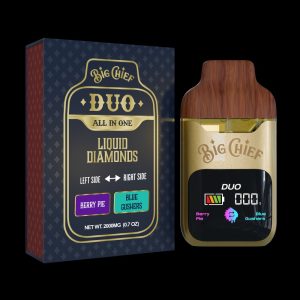
Big chief All in One Disposables
Big Chief Guava Pop × Blackberry Jam – 2 g Dual‑Flavor Disposable Vape
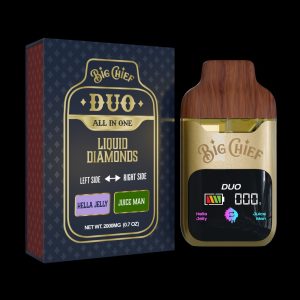
Big chief All in One Disposables
Big Chief Hella Jelly × Juice Man – 2 g Dual‑Flavor Disposable Vape
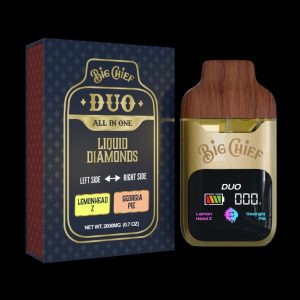
Big chief All in One Disposables
Big Chief Lemonhead Z × Georgia Pie – 2 g Dual‑Flavor Disposable Vape

Big chief All in One Disposables
Big Chief Purple Dream × Night Cap – 2 g Dual‑Flavor Disposable Vape


Big chief All in One Disposables
Big Chief Mango Tango × Cherry Fritter – 2 g Dual‑Flavor Disposable Vape